
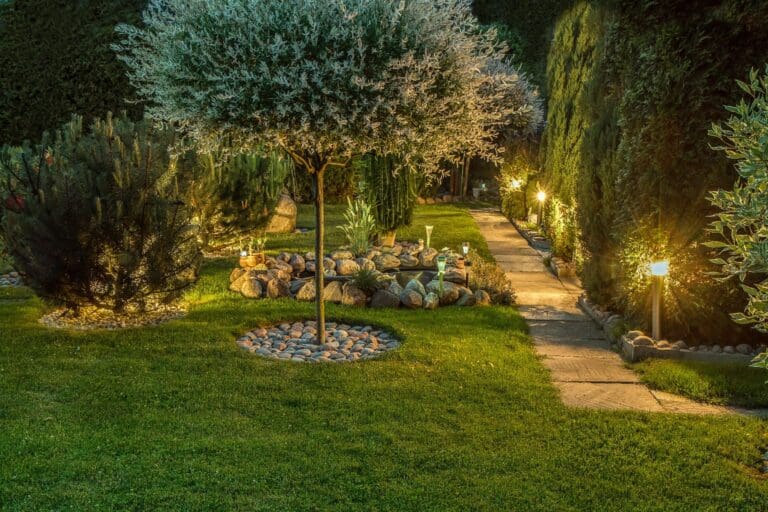
Low voltage landscape lighting installation is an increasingly popular way to enhance outdoor spaces, improve safety, and highlight landscape features without significant energy consumption. Whether illuminating a garden path, accenting trees, or creating ambiance on a patio, low voltage lighting offers both aesthetic and practical benefits. Understanding the costs, installation process, and advantages can help homeowners make informed decisions and achieve professional results.
According to the National Association of Landscape Professionals, well planned outdoor lighting can increase property value by 5 to 10 percent, while also improving curb appeal and outdoor usability. Low voltage systems, operating at 12 volts, provide a safe, energy-efficient, and versatile solution for residential landscapes.
Understanding Low Voltage Landscape Lighting
Low voltage lighting systems use a transformer to step down standard 120-volt household electricity to 12 volts, making them safe for outdoor use and reducing energy consumption. Unlike traditional high voltage systems, low voltage setups are simpler to install and require fewer electrical permits in most jurisdictions.
Components of a Low Voltage System
A typical system includes:
- Transformer: Converts standard household voltage to low voltage for safe operation.
- Wire: Typically 12 to 14 gauge low voltage cable connecting lights to the transformer.
- Fixtures: Spotlights, path lights, well lights, or deck lights tailored to specific landscape design features.
- Timers and controllers: Optional devices that automate lighting schedules for efficiency and convenience.
Cost Considerations
The cost of low voltage landscape lighting installation depends on the number of fixtures, wire length, and additional components. On average:
- Fixtures: $20–$100 per light depending on material and style
- Transformer: $50–$300 depending on wattage capacity
- Installation labor: $50–$100 per hour if hiring a professional
- Total system cost: Typically $500–$2,500 for a standard residential landscape
DIY installation is possible for smaller projects, which can reduce labor costs. However, for larger or complex designs, professional lighting installation ensures proper voltage management, spacing, and safe operation.
Benefits of Low Voltage Landscape Lighting
Safety and Security
Illuminated pathways, driveways, and entryways reduce trip hazards and deter intruders. According to the National Safety Council, outdoor lighting significantly decreases the risk of falls on uneven surfaces, particularly for elderly residents or guests.
Energy Efficiency
Low voltage lighting uses 75 to 80 percent less electricity than traditional high voltage systems. Many homeowners pair these systems with LED bulbs, which further reduce energy consumption and require minimal maintenance.
Enhanced Aesthetic Appeal
Strategically placed lights can highlight trees, shrubs, garden beds, and architectural elements, creating depth and visual interest. Accent lighting can also extend the usability of outdoor living spaces into the evening hours, creating a warm and inviting atmosphere ideal for relaxation and social gatherings.
Flexibility and Customization
Low voltage systems allow for flexible design changes. Fixtures can be relocated easily, and additional lights can be added without significant rewiring. Timers and smart controls enable automatic operation, increasing convenience.
Expert Tips for Installation
Plan Your Design Beforehand
Map out the areas to be illuminated, considering safety, functionality, and aesthetic goals. Identify focal points and pathways that require lighting, and calculate wire lengths to ensure proper power distribution.
Avoid Overloading the Transformer
Each transformer has a maximum wattage capacity. Exceeding this limit can cause dimming or fixture failure. Add the wattage of all lights to confirm compatibility with your chosen transformer.
Use LED Bulbs for Longevity
LED bulbs consume less energy, produce less heat, and have lifespans exceeding 25,000 hours. Their durability reduces replacement frequency and long term costs.
Proper Spacing and Placement
- Path lights: Place 6 to 10 feet apart to provide uniform illumination.
- Spotlights and accent lights: Position at a distance equal to twice the height of the object being illuminated.
- Avoid pointing lights directly into neighbors’ windows to prevent glare.
Protect Wiring from Damage
Bury cables at least 2 to 3 inches below the surface or secure them along edges to prevent tripping hazards and accidental cuts during landscaping activities.
Schedule Regular Maintenance
Inspect connections, replace bulbs as needed, and clean fixtures periodically to maintain optimal performance. Seasonal checks can prevent long term electrical issues caused by moisture or debris buildup.
Common Mistakes to Avoid
- Overcrowding fixtures: Too many lights can create glare and diminish aesthetic appeal.
- Ignoring landscape growth: Shrubs and trees may block light if placement does not account for future growth.
- Skipping professional guidance on electrical codes: Even low voltage systems may require compliance with local regulations.
- Neglecting transformer location: Transformers should be placed in dry, ventilated areas to avoid overheating and water damage.
Read also: DIY or Professional: What Is the Best Way to Handle Landscape Installation?
Make Your Yard Shine After Dark
Strategically installed low voltage lighting not only adds elegance but also improves safety and usability for your outdoor spaces. Understanding installation practices, costs, and layout options allows homeowners to enjoy a system that is efficient, long-lasting, and visually impressive.Our certified landscape lighting professionals can help you design and install a system that highlights your home’s best features and adds year-round appeal. With expert planning, your outdoor space can shine in both beauty and function.
Ready to enhance your property with custom outdoor lighting? For precision design and flawless installation, trust Legacy Landscaping to create a lighting setup that perfectly complements your landscape and lifestyle.