When you picture a beautiful outdoor space, you might imagine lush green lawns, colorful flowerbeds, or perfectly arranged shrubs. But there’s another essential element that brings structure and functionality to any landscape: hardscaping. Many homeowners ask, what is hardscaping, and how is it different from landscaping? Understanding this difference can help you design an outdoor space that is both practical and visually appealing.
What Is Hardscaping?
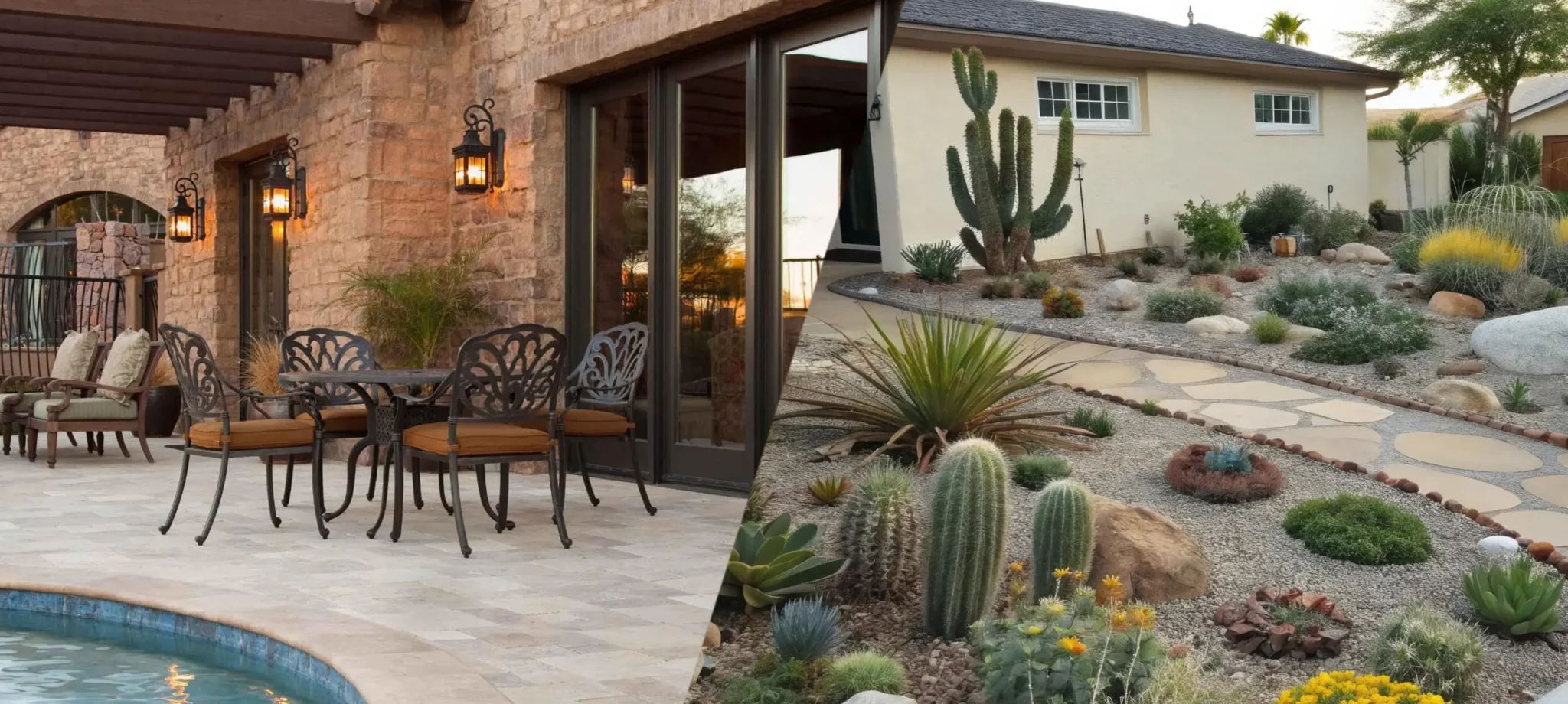
Hardscaping refers to all the non-living elements of your outdoor design. It includes the solid, man-made features that give structure and definition to your yard. Think of pathways, patios, retaining walls, fire pits, outdoor kitchens, driveways, and stone edging. Essentially, hardscaping creates the framework that supports and complements the living (softscape) elements of your landscape.
Some common examples of hardscaping include:
-
Patios and Decks – Provide comfortable spaces for outdoor relaxation and dining.
-
Walkways and Driveways – Offer safe and attractive paths through your property.
-
Retaining Walls – Prevent soil erosion while adding dimension and style.
-
Pergolas and Gazebos – Create shaded gathering areas.
-
Outdoor Fireplaces and Kitchens – Extend your living space outdoors.
High-quality hardscaping materials often include concrete, brick, natural stone, pavers, wood, and gravel. The goal is to balance durability with aesthetic appeal, ensuring that every element blends seamlessly with your home and natural surroundings.
What Is Landscaping?
While hardscaping deals with the solid features, landscaping focuses on the living components—grass, trees, flowers, shrubs, and other vegetation. Landscaping is what brings color, texture, and life to your yard. It changes with the seasons and requires ongoing care like watering, pruning, fertilizing, and mowing.
Examples of landscaping elements include:
-
Lawns and turf areas
-
Flowerbeds and gardens
-
Trees and shrubs
-
Ground cover plants and mulch
-
Irrigation and drainage systems
Landscaping enhances the beauty and ecological balance of your property, while hardscaping adds structure, function, and permanence.
The Key Differences Between Hardscaping and Landscaping
Although both fall under the umbrella of outdoor design, hardscaping and landscaping play different roles. Here’s how they differ:
| Feature | Hardscaping | Landscaping |
|---|---|---|
| Components | Non-living materials (stone, wood, concrete, brick) | Living elements (plants, grass, trees) |
| Purpose | Structure, functionality, durability | Beauty, life, and environmental benefits |
| Maintenance | Low maintenance | Regular upkeep needed |
| Longevity | Permanent and long-lasting | Seasonal and changeable |
| Installation | Often requires construction | Involves planting and nurturing |
In essence, hardscaping provides the bones of your outdoor space, while landscaping supplies the heart and soul.
Why Hardscaping Matters in Outdoor Design
A well-planned hardscape does more than look good—it improves how you use and enjoy your outdoor space. Here are a few reasons why hardscaping is essential:
1. Increases Usable Space
Hardscaping features like patios, decks, and outdoor kitchens create inviting areas for entertaining, dining, or simply relaxing outside. These spaces effectively extend your home’s living area.
2. Improves Property Value
According to the National Association of Realtors, well-designed outdoor spaces can increase property value by up to 10%. Hardscaping features are long-lasting investments that appeal to future buyers.
3. Reduces Maintenance
Unlike lawns and gardens that require constant care, hardscaping elements are relatively low-maintenance. Once installed, they typically need only periodic cleaning or sealing.
4. Manages Drainage and Erosion
Retaining walls, stone pathways, and grading designs help direct water flow, prevent soil erosion, and protect your property from flooding.
5. Adds Year-Round Functionality
While plants may go dormant in colder months, hardscaping features like fire pits, walkways, and seating areas remain functional all year.
Balancing Hardscaping and Landscaping
The most beautiful outdoor spaces find the perfect balance between hard and soft elements. Too much hardscaping can make your yard feel cold and uninviting, while too much greenery can lack structure and practicality. The key is harmony—allowing natural and built elements to complement one another.
Professional landscape designers often use a 60/40 rule, dedicating about 60% of the area to softscape and 40% to hardscape. This ratio ensures a balanced, visually appealing environment that’s also functional and easy to maintain.
Choosing the Right Hardscaping Materials
When selecting materials for your hardscape, consider:
-
Durability: Choose materials that can withstand your local climate.
-
Style: Match colors and textures to your home’s architecture.
-
Functionality: Ensure the surface is safe and appropriate for its use (for example, slip-resistant pavers around pools).
-
Budget: Quality materials cost more upfront but save on future repairs and replacements.
Sustainable options like permeable pavers and locally sourced stone can also minimize environmental impact while improving drainage.
Read also: DIY or Professional: What Is the Best Way to Handle Landscape Installation?
Conclusion
Hardscaping forms the foundation of any great landscape, giving shape and balance to your outdoor environment. It establishes structure, defines movement, and enhances the overall function of your space. When paired with thoughtful landscaping, it creates a seamless blend of beauty and practicality.
Whether you’re dreaming of a custom patio, a durable retaining wall, or a full outdoor renovation, expert help makes all the difference. Partner with Legacy Landscaping to design and build a hardscape that transforms your property into a lasting outdoor retreat.