
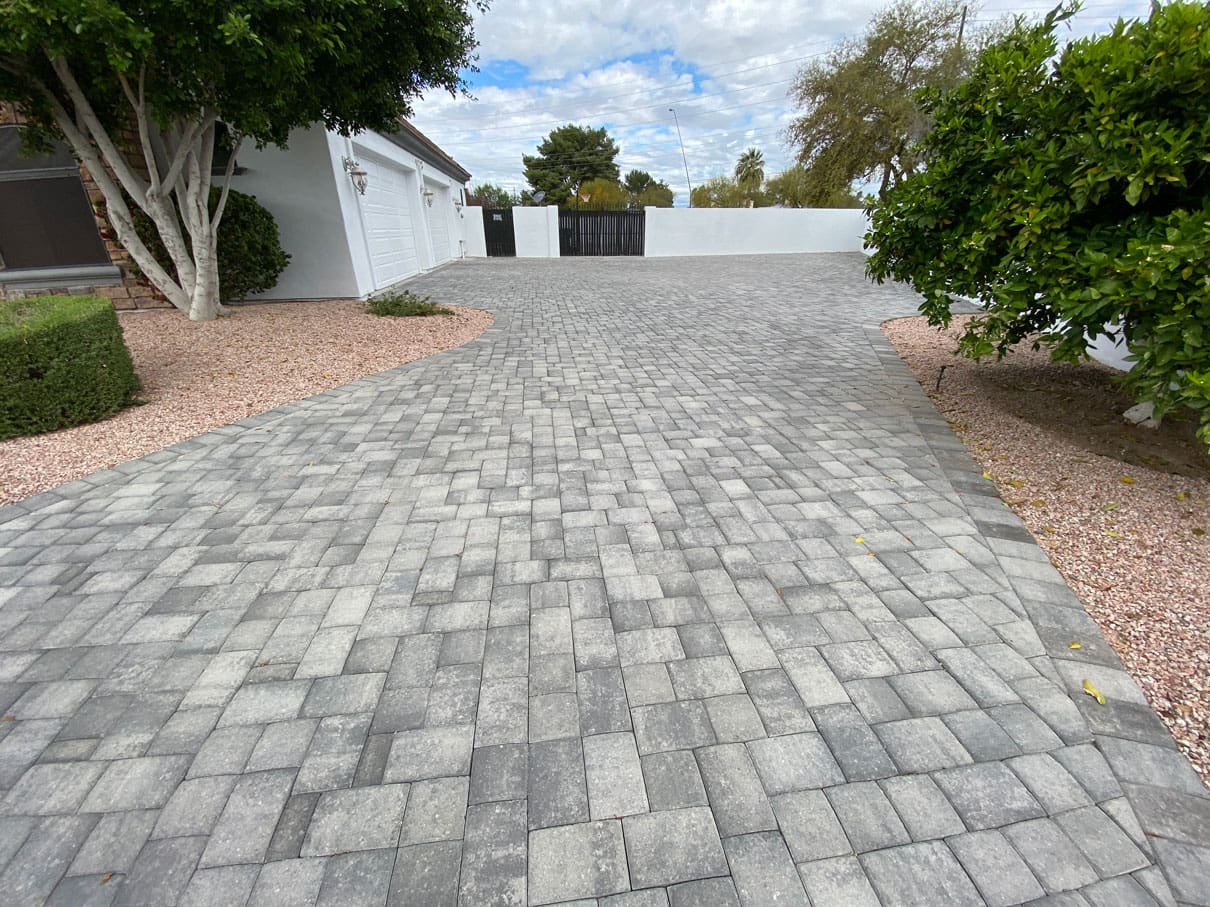
A well designed hardscaping driveway enhances curb appeal, improves property value, and provides long lasting functionality for daily use. However, homeowners often make critical mistakes during planning and installation that lead to premature wear, drainage problems, and expensive repairs. Understanding the most common hardscaping driveway mistakes to avoid will help ensure a durable, beautiful surface that stands up to weather and use for many years.
According to the National Association of Realtors, high quality exterior improvements such as driveways can return up to 60 to 90 percent of their investment value during resale. A driveway is not simply a parking space. It is a structural and aesthetic feature of the landscape. Proper planning, material selection, and installation are essential to long term performance.
Improper Site Preparation and Grading
Failing to Plan for Soil Conditions
One of the most common mistakes in driveway hardscaping is neglecting soil evaluation. Different soil types respond differently to moisture and load weight. Clay soil tends to expand when wet and contract when dry, which can cause surface shifting. Sandy soil, while well draining, may lack compaction strength without proper base installation.
Professional driveway contractors often perform soil testing and assess load bearing capacity to determine the correct base depth. Without this step, the driveway surface may crack, sink, or heave over time.
Incorrect Grading and Drainage
Improper grading leads to water pooling. Standing water penetrates the base layer, weakens the structure, and accelerates deterioration. Best practices recommend a slope of at least 2 percent, or approximately a quarter inch per foot, to allow proper runoff away from the home and driveway.
Common drainage solutions include:
- Installing a gravel base with adequate depth
- Using French drains or channel drains when necessary
- Directing runoff toward landscape beds instead of foundations
Neglecting drainage planning often results in freeze thaw damage in colder climates and erosion problems in warmer regions.
Using Low Quality or Inappropriate Materials
Choosing the Wrong Paver Type
Driveway pavers must withstand repeated vehicle loads. Selecting pavers intended for walkways or patios can result in cracking or shifting under pressure. Always choose materials rated for vehicular traffic.
Popular hardscape driveway materials include:
- Concrete pavers
- Natural stone
- Stamped concrete
- Asphalt
- Permeable pavers for eco friendly drainage
Permeable pavers have become increasingly popular due to their ability to reduce storm water runoff. According to the Environmental Protection Agency, permeable pavement systems can reduce runoff volume by up to 90 percent.
Skimping on Base Materials
The base layer supports the entire driveway structure. Using insufficient crushed stone or compacted gravel under the surface material leads to instability. Industry standards suggest a minimum base of 4 to 6 inches for residential driveways, with deeper bases recommended for heavy traffic or poor soil conditions.
Poor Installation Practices
Inadequate Compaction
Each layer of the base material must be compacted properly. Inadequate compaction causes future settling, visible depressions, and cracking. Professional installers typically use plate compactors or rollers to ensure structural integrity.
Incorrect Joint Sanding and Sealing
For paver driveways, joint sand prevents shifting and helps lock the system together. Failure to fill joints correctly increases the risk of movement and weed growth. Additionally, sealing the surface protects against stains and weathering. While sealing frequency varies, many manufacturers recommend resealing every 3 to 5 years to preserve the finish.
Overlooking Edge Restraints
Edge restraints prevent pavers from spreading outward under vehicle load. Without proper edging, the driveway edges deteriorate and the surface loses stability. Options for edge restraints include concrete edging, steel edging, and paver specific restraint systems.
Ignoring Climate and Freeze Thaw Cycles
Installation techniques and material choices must consider local climate. In regions prone to freeze thaw cycles, materials and base systems that allow natural expansion and contraction are essential. Failing to account for temperature fluctuations leads to surface failure. For example, porous base layers help reduce water retention and frost heave in colder climates.
Inadequate Load and Use Consideration
Homeowners sometimes underestimate the load capacity needed for their driveway. Large vehicles, RVs, and frequent traffic require a reinforced base and durable paver type or concrete thickness. Planning according to anticipated usage prevents long term stress damage.
Neglecting Maintenance
Even premium driveways require routine maintenance to perform well over time. Common maintenance tasks include:
- Regular cleaning
- Joint sand replenishment for paver systems
- Annual inspection for cracks or shifting
- Resealing concrete or paver surfaces
According to the Interlocking Concrete Pavement Institute, maintaining paver joints and edge restraints helps extend lifespan and preserve original appearance.
Choosing DIY When Professional Expertise Is Needed
While many homeowners enjoy DIY projects, driveway hardscaping requires technical knowledge, precision tools, concrete installation and construction experience. Improper installation can result in costly failures. Qualified contractors follow industry standards, use proper equipment, and ensure compliance with municipal regulations.
Professional installation typically includes:
- Site evaluation
- Soil and base engineering
- Drainage planning
- Strong compaction and edging systems
- Warranty on workmanship
Investing in professional services often saves time and long term repair expenses.
How to Ensure a Successful Hardscaping Driveway
To avoid costly driveway issues, consider these best practices:
- Conduct soil assessment and drainage planning.
- Use driveway rated materials only.
- Install a proper base depth according to soil and load needs.
- Ensure proper grading to channel water away from structures.
- Compact each layer thoroughly.
- Use quality edge restraints.
- Seal and maintain the driveway regularly.
- Hire experienced hardscape professionals when necessary.
Read also: What Is Hardscaping and How Is It Different from Landscaping?
Invest in a Driveway That Enhances Value and Curb Appeal
From proper site preparation to material selection, every detail matters when building a durable hardscaping driveway. With careful planning and professional execution, you can avoid costly repairs and enjoy a smooth, stable surface that boosts your property’s aesthetic and functionality. Planning to upgrade your driveway? A well-built driveway not only boosts curb appeal but also adds durability and long-term value to your property.
With expert design and quality materials, you can achieve a look that’s both functional and timeless. For reliable installation and lasting craftsmanship, contact Legacy Landscaping today and let our hardscape specialists create a driveway that stands out for years to come.